

Is your office as secure as it needs to be?
In an era where workplace safety is paramount, relying on outdated locks and basic alarms is no longer sufficient. True security requires a proactive strategy that evolves alongside potential threats. Whether you manage a small corporate suite or a large commercial complex, the safety of your employees and assets rests on the strength of your security protocols.
At 365 Patrol, we understand that effective security is a mix of physical barriers, advanced technology, and professional support. In this guide, we break down practical, actionable steps to assess your vulnerabilities and upgrade your defenses. From implementing robust access controls to utilizing professional mobile patrol and security guard services, these strategies will help you build a resilient environment and provide the peace of mind your business deserves.
Assessing Current Security Measures
To effectively enhance security, begin by examining your current measures in detail. Identify the types of security systems in place, such as surveillance cameras, access control, and alarm systems. Gather input from employees regarding their perceptions of safety and any concerns they might have. This assessment will provide a clear baseline for determining areas that require improvement and adjustment.
Identifying Vulnerabilities
Look for weaknesses in your existing security setup. Vulnerabilities may include poorly lit areas, lack of employee training, outdated technology, or insufficient access controls. Pay attention to locations where incidents have previously occurred, as these are indicators of where security enhancements should be prioritized. Addressing these vulnerabilities is vital for creating a safer work environment.
Conducting a Security Audit
A comprehensive security audit is important for understanding your building’s specific needs. This involves a systematic review of current systems and protocols to identify gaps and inefficiencies. Combined with employee feedback, a security audit provides insight into how well your security measures align with best practices and industry standards.
During a security audit, assess each security layer, including physical security, cybersecurity, and employee procedures. Evaluate the effectiveness of surveillance footage retention policies and access control systems. Engaging with security professionals may uncover hidden vulnerabilities and provide recommendations tailored to your building’s unique layout and function. Additionally, consider benchmarking against similar buildings to identify potential improvements and investments that can enhance your overall security posture.
Enhancing Physical Security

Physical security is the backbone of a safe office environment. By prioritizing access control, surveillance, and environmental design, you can significantly reduce vulnerabilities. Implementing a layered security approach fosters a deterrent effect, making it harder for unauthorized individuals to compromise your premises.
Access Control Systems
Access control systems regulate who enters your building. By utilizing keycards, biometric scans, or mobile credentialing, you manage access more effectively. These systems can be integrated with visitor management solutions to keep track of guests and maintain records for added accountability.
Surveillance Technology
Surveillance technology acts as both a deterrent and a tool for monitoring. High-definition cameras with night vision, motion detection, and cloud storage capabilities enable you to maintain a secure environment effectively. Regularly reviewing footage can also aid in identifying and addressing security incidents promptly.
Investing in advanced surveillance technology enhances your office’s security significantly. Consider implementing features like pan-tilt-zoom (PTZ) cameras, which can cover wide areas while zooming in for detailed images. Utilizing AI-driven analytics can help to identify unusual behavior patterns in real-time, allowing for swift responses to potential risks. Furthermore, connecting your surveillance systems to your mobile devices provides continuous oversight, enabling constant monitoring even when you’re away from the office.
Implementing Cybersecurity Protocols
To safeguard your office building’s digital landscape, implementing robust cybersecurity protocols is vital. This includes deploying firewalls, VPNs, and intrusion detection systems to monitor suspicious activity proactively. Regularly updating software and hardware creates a resilient environment against cyber threats, significantly reducing the risk of data breaches.
Network Security Measures
Establishing comprehensive network security measures involves segmenting networks to limit access and implementing multi-factor authentication for sensitive systems. Regular vulnerability assessments will help identify weaknesses. Using encrypted connections for remote access further protects data from unauthorized entities.
Employee Training and Awareness
Your team plays a vital role in maintaining cybersecurity. Regular training sessions on recognizing phishing attempts and understanding secure password practices increase vigilance. Encouraging a culture of security awareness empowers employees to become the first line of defense against cyber threats. Expanding on employee training, consider integrating real-life scenarios and tabletop exercises to simulate cyber attack responses. Annual training refresher courses and monthly security briefings keep information top of mind. Additionally, using platforms to share the latest phishing alerts can enhance real-time awareness, ensuring your team is informed about emerging threats and best practices. Engaging employees in cybersecurity discussions fosters a proactive security culture, fundamentally making your office building more secure.
Regular Maintenance and Upgrades
To maintain optimal security in your office building, regular maintenance and upgrades are crucial. This includes routine checks and updates to security systems, ensuring that everything from surveillance cameras to access control systems functions properly and remains up to date with industry standards. Schedule periodic evaluations to assess functionality and identify any equipment that needs fixing or replacing, helping to avert potential vulnerabilities over time.
Routine Assessments and Updates
Your security systems require routine assessments and updates to operate effectively. Establish a timeline for regular checks, ideally quarterly, to ensure all components are working optimally. During these assessments, test alarms, replace batteries, and review access logs. This proactive approach allows you to spot weaknesses and take action promptly, maintaining a secure environment.
Importance of Staying Current with Technology
Keeping pace with technology trends is vital for effective office building security. As threats evolve, so do the tools and software designed to combat them. Investing in modern security solutions not only enhances your protective measures but also integrates new features such as AI-driven analytics, which can identify unusual behavior in real time. Staying current with technology means adopting advanced surveillance systems and access control measures that integrate seamlessly with your existing infrastructure. For example, cloud-based systems not only offer easy remote access but also include automatic security updates, which are crucial against cyber threats. Additionally, smart visitor management systems streamline access while providing real-time data on who enters and exits your building. By embracing these innovations, you secure your office space against emerging risks while ensuring efficient, user-friendly operations.
Emergency Preparedness Planning
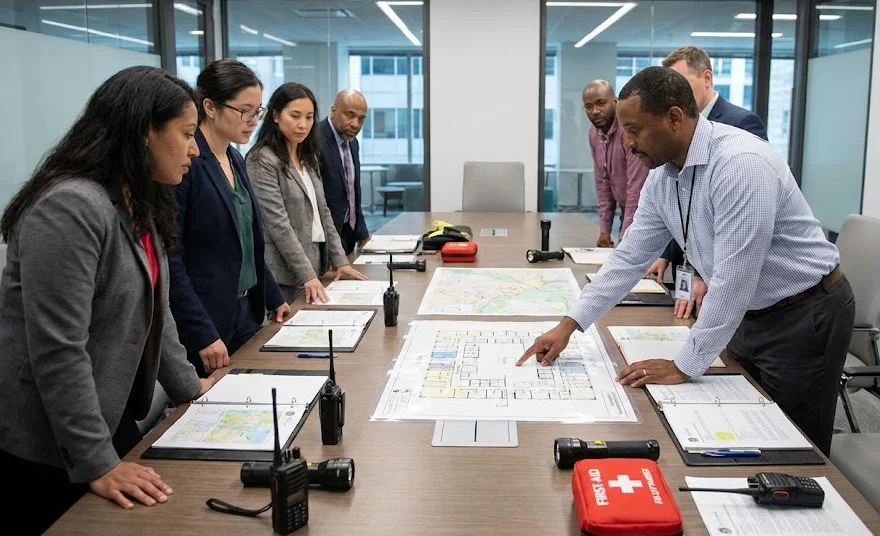
True security goes beyond prevention; it requires preparation for the worst-case scenario. Effective emergency preparedness planning ensures your office building is ready to respond to a variety of crises, from natural disasters and medical emergencies to security breaches. Establishing a robust framework allows your team to act swiftly and efficiently, minimizing panic and risk. Regular reviews of your preparedness plan are essential to adapt to evolving threats and reflect changes in your office layout or staff.
Developing an Emergency Response Plan
A static document isn’t enough; you need an actionable playbook. Your Emergency Response Plan (ERP) should outline specific procedures for different scenarios, including clearly marked evacuation routes, distinct communication protocols, and a chain of command. By detailing exactly who is responsible for what—such as designating floor wardens or assembly point leaders—you empower your team to respond with confidence. This clarity significantly increases the safety of everyone in the building and ensures accountability during chaos.
Conducting Drills and Training
Regular drills and training sessions are vital to ensure your emergency response plan is effective. By repeatedly practicing various scenarios—fire evacuations, lockdowns, or severe weather preparations—you ensure that all staff members are familiar with their roles and responsibilities. This hands-on experience helps build confidence and reinforces the procedures necessary for a safe and organized response.
When conducting drills, aim for at least two sessions per year, each focusing on different emergencies, like fires or active shooter incidents. Involve local emergency services for added realism and expertise, which can provide valuable feedback. Creating a safe space for participants to discuss their experiences after each drill fosters improvement and encourages an open dialogue about emergency preparedness. Continuous training not only builds muscle memory but also strengthens your overall security culture, ensuring readiness in real-life situations.
Collaboration with Security Professionals
Collaborating with security professionals enhances the effectiveness of your building’s security measures. Expert insights can help identify vulnerabilities and tailor solutions that fit your specific environment. By working with professionals, you can ensure that both physical and digital security systems are aligned with industry standards and best practices.
Hiring Security Consultants
Hiring security consultants provides you with access to specialized knowledge and expertise. These professionals assess your current security protocols, identify gaps, and recommend tailored strategies. Engaging with experienced consultants can lead to improved security frameworks that evolve with emerging threats and technological advancements.
Partnering with Local Law Enforcement
Partnering with local law enforcement offers opportunities for enhanced safety and quick response strategies in emergencies. Establishing a relationship with police departments can lead to regular security assessments and training sessions tailored to your office environment.
Building a partnership with local law enforcement can bolster your security strategies significantly. Regular meetings and collaboration ensure your security practices align with community standards and law enforcement priorities. Programs such as neighborhood watch initiatives and officer-led safety seminars enhance staff readiness and create a safer environment. By fostering this relationship, you not only gain insights into crime trends but also establish a direct line of communication for emergencies and potential threats.
Office Building Security Measures Summary
Upgrading your office building’s security is an ongoing process that requires vigilance, the right technology, and a proactive mindset. By assessing vulnerabilities, conducting regular audits, and empowering your staff with training, you build a strong first line of defense. However, the most effective security strategy often requires professional reinforcement.
At 365 Patrol, we bridge the gap between basic safety and complete peace of mind. Whether you need high-visibility mobile patrols to deter crime or dedicated security guards for on-site protection, our team is ready to assist. Don’t wait for an incident to occur—contact us today to discuss a tailored security solution for your office.

